Tree Service & Arborists
Built around removals, pruning and storm work. Google Search first, Meta in support.

Every trade below is marketed differently — real job types, real search behaviour and the channel mix that fits, not one template with the trade name swapped in. Don’t see yours? Tell us what you do; we work with more than what’s listed.

Built around removals, pruning and storm work. Google Search first, Meta in support.
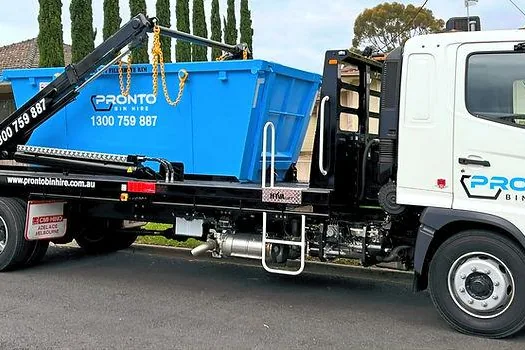
A search-and-book category — the operator who quotes by bin size and books in under a minute wins.

Seasonal and visual. Be live before spring, and let finished work sell the next job.

Urgent faults on Google in the moment; switchboards, EV chargers and solar work planned and researched.

An emergency electrician and a pool builder are both “tradies”, and almost nothing about marketing them is the same. One is found by someone standing in the dark with the power out, choosing in the next sixty seconds on a phone. The other is found by someone who has been saving backyard photos for three months and won’t decide for another two. The channel that works, the budget that makes sense, what the website has to say above the fold and when demand peaks — all of it changes.
So each industry page here is built from that trade’s reality: how people search for it, when demand moves through the year, what a job is worth, what customers check before they hire, whether Google or Meta should lead, and the marketing mistake we see most often. It’s the same thinking we apply when we build a campaign — the page just shows the work.
The biggest group, and the one that splits hardest between urgent and planned work. A blown switchboard, a burst pipe or a leaking roof is found on Google in the moment, on a phone, and the call goes to whoever answers first. A renovation, extension or new deck is researched for weeks and sold on photos and process. For most of these trades we start with the website and Google Ads, then add Meta for the visual, higher-ticket job types once the account has data. Licence numbers, insurance and real job photos carry more weight here than anywhere else.
Seasonal, visual and planned. Demand for landscaping, decks, fencing, paving and pools climbs from late winter, peaks in spring and drops off after Christmas — so the campaign has to be live and warmed up before the season, not launched in the middle of it. Finished work sells the next job, which is why Meta and Instagram often lead here while Google catches the people already pricing it. Maintenance trades (mowing, gardens) are the exception: a tight service radius, the map pack and a strong Business Profile do most of the work.
Need-driven and credential-checked. Pest control, air conditioning, water damage, mould, asbestos and solar are searched at the moment of need and chosen on licence, safety and calm, factual information — not glossy creative. Google Search and the Business Profile carry the load, and the budget should follow the season: heatwaves, termite swarms, storm events, power-bill spikes. Alarmist copy hurts in this group; a clear process and visible credentials convert.
Split between visual, enthusiast-driven services and convenience-driven repair. Detailing and ceramic coating are bought on gloss shots and reputation, so Meta and Instagram lead with Google picking up “cost” and “near me” searches. Mobile mechanics and auto electricians are the reverse: “near me” search in a tight radius, with the 4x4 and caravan community on Facebook as a second channel for specialist install work.
The same trade on the Gold Coast and in a regional town is two different marketing problems. In a capital city, clicks cost more and rankings are harder to win, so the budget is weighted toward the highest-value job types to make the numbers work. In a regional area, clicks are cheaper and rankings are within reach, but total demand is smaller — so the plan leans toward owning the map pack and the Business Profile, with a modest, tightly targeted ad budget. Every page here assumes you’ll tell us which you are; the recommendation changes accordingly.
If customers find you when something is broken — a leak, a power outage, a dead air-con, a storm-damaged roof — Google Search and a fast, phone-first website do most of the work, and the campaign needs to ramp when demand spikes. If customers plan for weeks — decks, kitchens, pools, landscaping — the job is to be visible while they’re still saving ideas, which is where Meta, photography and retargeting earn their keep. Most trades are a mix; your trade’s page says which way it leans and why.
Plenty of businesses straddle categories — a builder who also does decks, a plumber who also does gasfitting, a landscaper who also builds retaining walls. Pick the page for the work you want more of, not the work you do most. The marketing gets weighted toward the job types that pay, and the site and campaigns can cover the secondary trade without diluting the main one. If you’re not sure which that is, it’s a good first question for the call.
Each page follows the same structure so you can compare your trade with another honestly: how people search for it and what each search says about the customer; when demand moves through the year and how the budget should follow it; what a job is worth and why cost per enquiry by job type matters more than cost per click; what the website needs above the fold and what customers check before they hire; whether Google Search or Meta should lead; the job types we build campaigns around; and the questions that trade’s owners ask before they get in touch. If a section doesn’t apply to a trade, it isn’t there.
The approach doesn’t change: real job types, real search behaviour, the channel mix that fits, published pricing. Tell us what you do and we’ll build the plan from scratch — and if we think paid marketing isn’t the right move for your trade right now, we’ll say so before you spend anything.